


Earthquakes
Kumamoto Earthquake
 Japan
 M7.1 Earthquake
 28 July, 2026
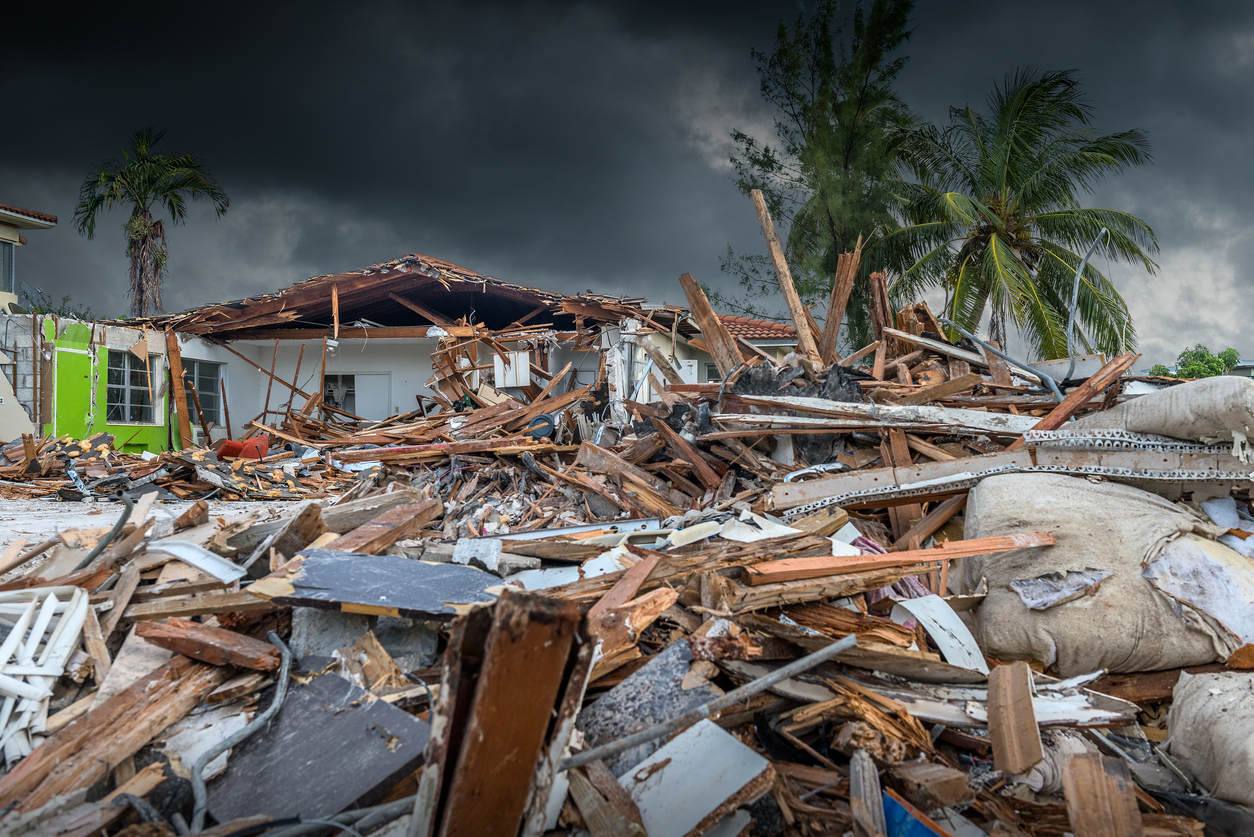
The July 28, 2026 Kumamoto Earthquake (M7.1) reached JMA Seismic Intensity 7 and caused widespread damage across Kumamoto Prefecture, including building collapses, fires, and infrastructure disruption. [1] Many companies mitigated potential BI losses through inventory utilization, alternative production, and supply chain contingency measures, although significant Extra Expense exposures may arise. Loss of Attraction impacts are also expected for retail, hospitality, and tourism-related businesses.
Maps of the affected area [2], [3], [4]
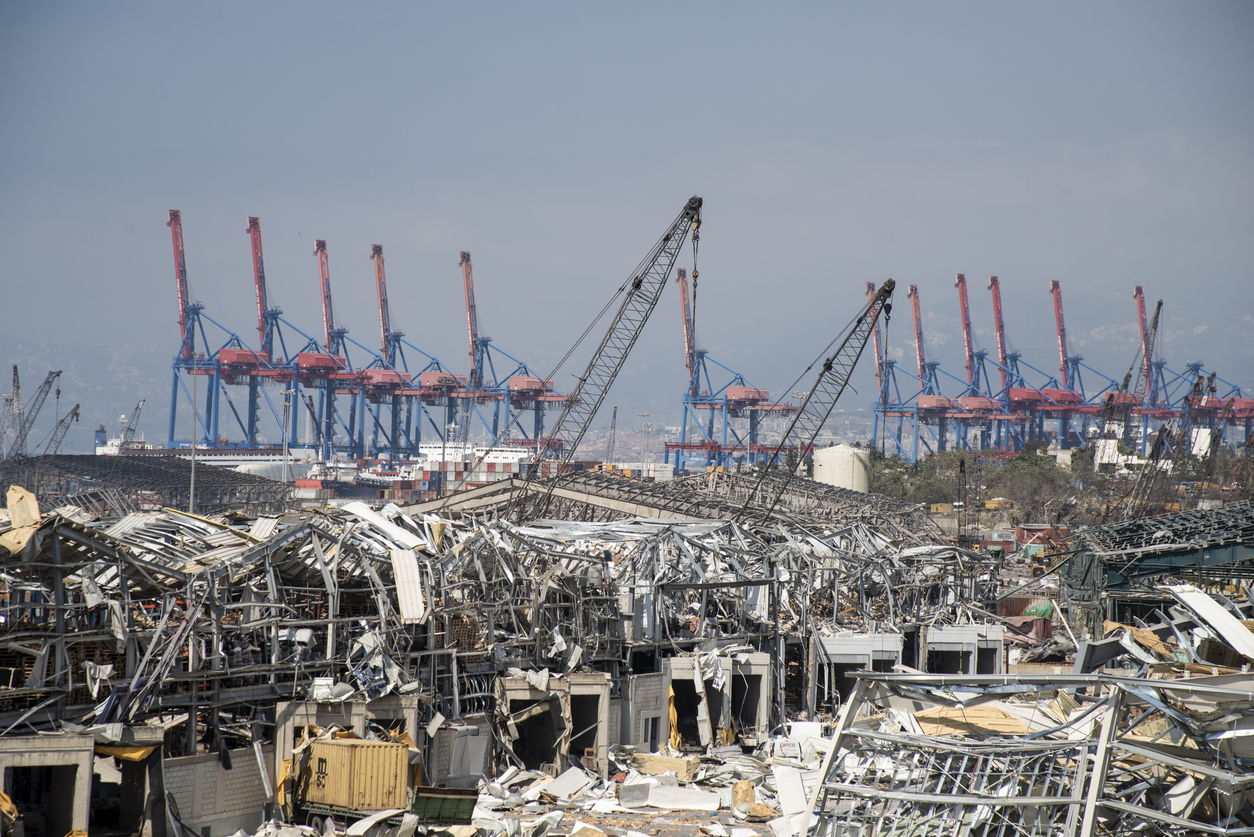
[3] Damage to Coastal Infrastructure Caused by the 2026 Kumamoto Earthquake
[4] Damage to Water Supply Facilities Caused by the July 28, 2026 Kumamoto Earthquake


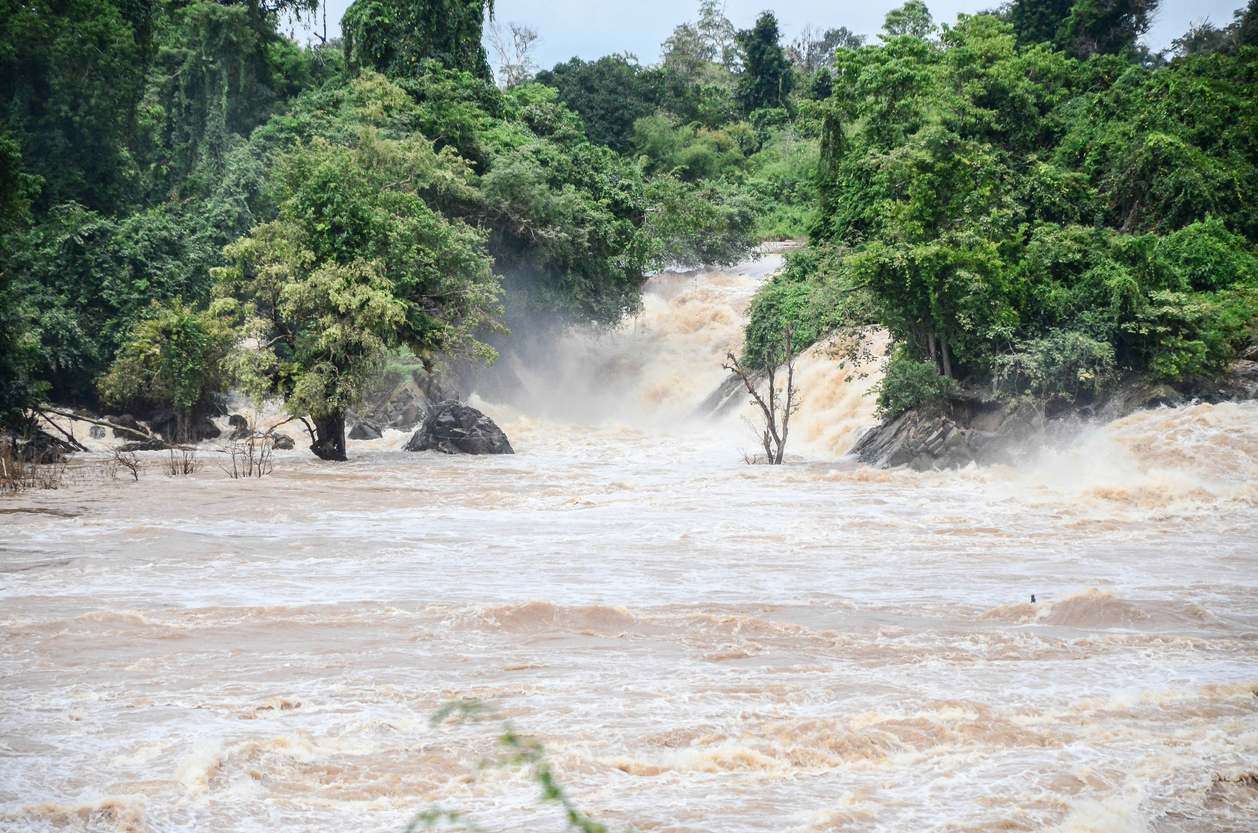
The July 28, 2026 Kumamoto Earthquake caused significant disruption to water supply systems across Kyushu. Water outages, turbid water, and leakage were reported in 23 municipalities across 5 prefectures, with the maximum number of affected households reaching approximately 84,000. As of July 29, about 84,000 households in 11 municipalities across Kumamoto and Saga Prefectures remained without water service, while emergency water supply operations were underway.
Power Outages
Approximately 48,170 households lost power immediately following the earthquake, with the largest impacts reported in Yatsushiro and Uki cities. Restoration activities were undertaken by Kyushu Electric Power Transmission and Distribution. [5]
Transport Routes
Rail
Kyushu Shinkansen service was suspended on major segments between Fukuoka, Kumamoto, and Kagoshima. Overhead line poles on the JR Kagoshima Main Line were damaged or displaced. [6]
Roads / Expressways
The earthquake caused significant damage to transportation infrastructure across Kumamoto Prefecture. Sections of the Minami-Kyushu Expressway were severed, while railway infrastructure, including the JR Kagoshima Main Line, sustained damage requiring extensive repairs. Road and rail disruptions affected regional transportation and logistics networks, with restoration expected to take an extended period. [7]
Visible cracks were confirmed on Myoken Daiichi Bridge (Minami-Kyushu Expressway), Kawata Bridge, and Katanogawa Bridge (Kyushu Expressway), resulting in road closures and traffic restrictions.
[6] Regarding the suspension of train services due to the impact of the 2026 Kumamoto Earthquake
[7] Kumamoto Prefecture Earthquake Leaves Scars on Infrastructure, People’s Lives


Map Source:
[8] Road Closures and Disaster Situation Report for the 2026 Kumamoto Earthquake (Report No. 6)
[9] All map Kyushu
Business Interruption Coverage Issues
Kumamoto has a high concentration of semiconductor, automotive, manufacturing, logistics, and infrastructure-related companies, creating significant accumulation risk. The earthquake highlighted potential exposures from direct business interruption, contingent business interruption (supplier/customer disruption), utility outages, transportation disruptions, and extra expenses associated with alternative sourcing and logistics. Supply chain dependencies within the Kyushu semiconductor and automotive clusters may result in losses extending beyond the physically damaged area.
Key affected businesses include:
- AEON Mall Kumamoto: Structural damage and a fatal accident resulted in the temporary closure of the mall, affecting approximately 200 tenants. [10] Given the scale of the tenant base, the event may give rise to significant BI exposure from lost sales and business interruption, as well as stock loss exposure related to damaged merchandise and inventory.[11]
- Aisin Kumamoto: Aisin, a global automotive parts supplier, particularly door-related parts, resumed partial operations on August 2 using existing inventory to support shipments. The disruption affected the supply of key automotive components to major OEMs, resulting in direct BI exposure at Aisin and significant CBI exposure across Toyota, Nissan, Honda, Mitsubishi, and Daihatsu through temporary production interruptions. [12]
- Nippon Paper Yatsushiro Mill: Fatalities and severe facility damage resulted in an extended shutdown with no announced restart date. Despite production transfers to other Nippon Paper mills, additional support from Oji Paper and Daio Paper was required, highlighting significant BI exposure and broader downstream supply chain impacts. [13]
- Sony Semiconductor Manufacturing (Kumamoto): Production disruptions in image sensor manufacturing created potential BI and supply chain exposure. As of mid-August, operations had not yet fully resumed, raising concerns over downstream semiconductor supply chain impacts. [14]
- Suntory Kumamoto Brewery: Recovery was expected to take 2 to 3 months, with production transferred to other Suntory facilities. The event highlights potential BI exposure and significant Extra Expense associated with alternative production arrangements. [15]
[10] Shops & Entertainment | AEON MALL Kumamoto | AEON MALL Official Website – Large shopping mall
[12] Kumamoto Earthquake: Prolonged Production Suspensions at Honda and Other Automakers Trigger Wider Operational Impacts in Okayama and Aich/ Aisin Kumamoto Damage Forces Production Suspensions at Toyota and Nissan Despite a Decade of Supply Chain Resilience Measures
[15] Suntory Forecasts 3-4 Months for Recovery of Kumamoto Brewery After Earthquake Damage